

Good infrastructure ideas need more than capital. They need the right systems to become reality.
Across the African continent, rapid urbanization, demographic growth and expanding regional markets have created an unprecedented demand for modern infrastructure. From cross-border transport corridors and clean energy grids to resilient water systems and smart urban housing, the scale of opportunity is undeniable.
Yet, for decades, a persistent paradox has defined the sector: while global capital exists and transformative project concepts abound, far too many initiatives stall long before a single shovel hits the ground.
What does it actually take to turn an infrastructure opportunity into a bankable project that investors are willing to support?
The Architecture of Investor Confidence
Moving a large scale infrastructure project from an initial concept note to financial close requires far more than a compelling pitch deck. Institutional investors, development finance institutions, and private sector partners operate on strict risk-return mandates. Before committing patient, long-term capital, they need to see a predictable ecosystem capable of protecting their investment over decades.
Specifically, investors look for four foundational pillars:
Bullet Clear Institutional Frameworks: Defined legal and regulatory structures that establish clear lines of authority, protect contractual rights, and ensure policy continuity across political cycles.
Bullet Transparent Procurement Processes: Open, competitive, and fair bidding mechanisms that minimize friction, reduce delays, and build trust between public authorities and private bidders.
Bullet Thorough Project Preparation: Rigorous feasibility studies, environmental and social impact assessments, and technical engineering that de-risk projects during their earliest, most vulnerable stages.
Bullet Resilient Financing Structures: Blended finance models, currency risk mitigation tools and revenue guarantees that provide stability throughout construction, operation, and maintenance.
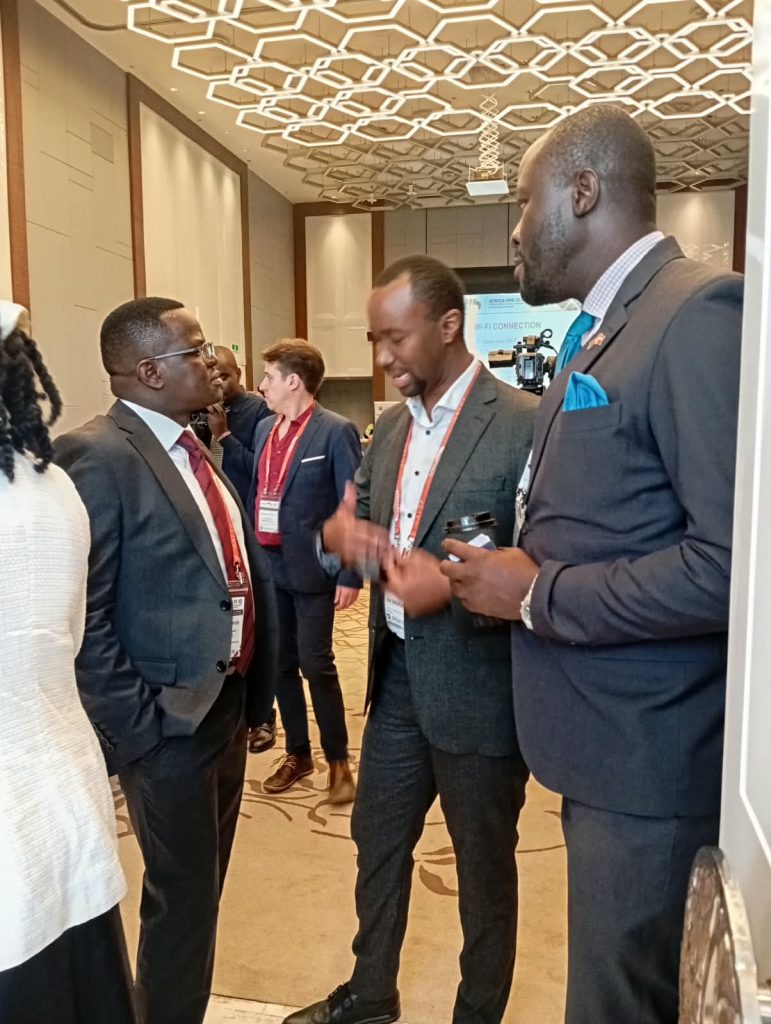
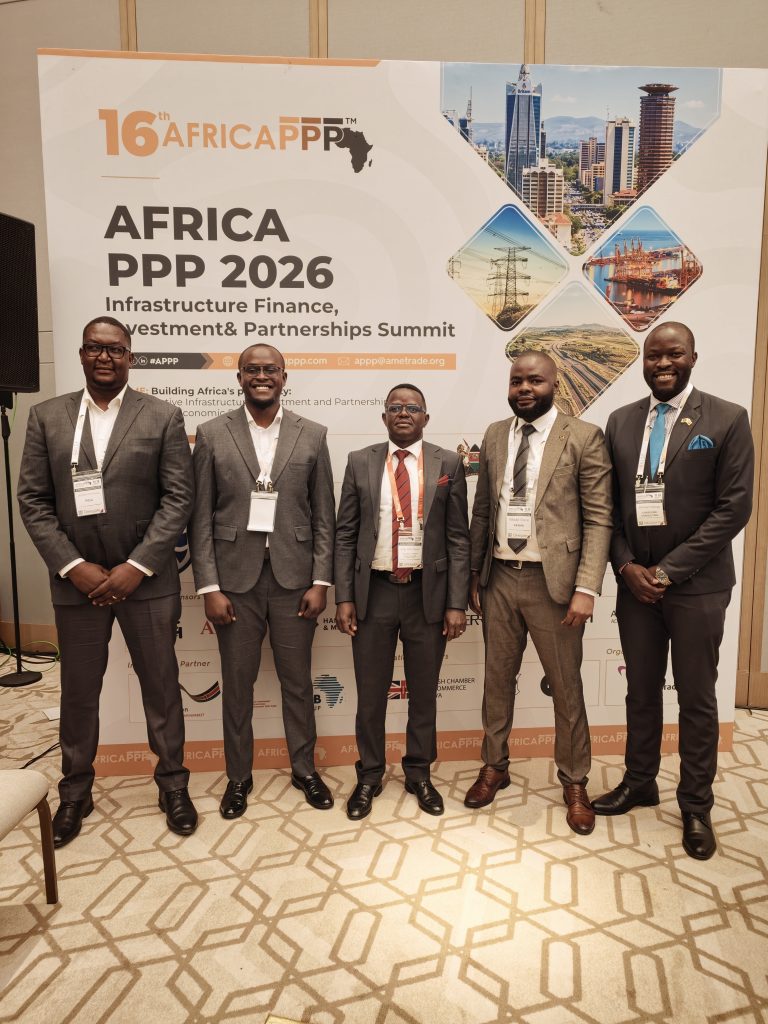
These exact priorities took center stage at the 16th Africa PPP Infrastructure Finance, Investment and Partnerships Summit 2026. Convening senior government leaders, global financiers, legal experts and infrastructure developers, the summit served as a critical forum to examine how Public-Private Partnerships (PPPs) can bridge Africa’s infrastructure deficit and accelerate delivery across the continent.
Inside Kenya’s Blueprint: Backing a KES 1 Trillion Pipeline
One of the standout moments of the summit was Kenya’s presentation, which offered a practical look at how deliberate institutional design can support ambitious national development goals.
Rather than treating PPPs as ad-hoc transactions, Kenya has built a dedicated governance architecture to manage the entire project lifecycle. This institutional framework rests on four specialized pillars:
Bullet The PPP Committee: Providing high-level policy direction, oversight, and final approvals to ensure projects align with national priorities.
Bullet The PPP Directorate: Serving as the lead technical and operational agency responsible for originating, structuring, and guiding projects through procurement.
Bullet The Project Facilitation Fund: Addressing one of the biggest bottlenecks in African infrastructure by financing early-stage feasibility studies, transaction advisory services, and project preparation.
Bullet The Petitions Committee: Offering an independent, transparent mechanism to resolve procurement disputes swiftly, reinforcing investor trust in the fairness of the process.
Supported by this institutional backbone, Kenya outlined an estimated pipeline of 60 PPP projects valued at approximately KES 1 trillion. Spanning transport, energy, housing, healthcare, and water infrastructure, this portfolio represents one of the most significant concentrations of investable opportunities in the region. However, realizing its full potential requires disciplined execution, innovative financing structures, and sustained collaboration between public agencies and private sector partners.
Bridging the Continental Execution Gap
While Kenya’s structured approach demonstrates what is possible, the broader challenge across Africa extends well beyond identifying project pipelines. Across many markets, persistent infrastructure financing gaps and fragmented regional connectivity continue to slow down cross-border trade, constrain industrial growth, and limit deeper economic integration.
Projects rarely fail due to a lack of vision; they stall in the “missing middle” between early concept and bankable execution. Overcoming this bottleneck requires coordinated commitment from both sides of the partnership:
- The Public Sector Mandate: Governments must move beyond simply publishing project lists. They must cultivate enabling environments where investors can clearly understand commercial opportunities, accurately price risks, and participate through credible, transparent, and predictable regulatory frameworks.
- The Private Sector Mandate: Project developers and sponsors must bring more than ambition to the table. To meet international bankability standards, they require access to specialized technical expertise, seasoned transaction advisors, institutional guidance, and aligned financial partners capable of structuring complex deals.
When either side operates in isolation, momentum slows. When both align around shared standards and clear communication, projects move forward.
Connecting Vision with Execution: The Role of Caregore Consulting
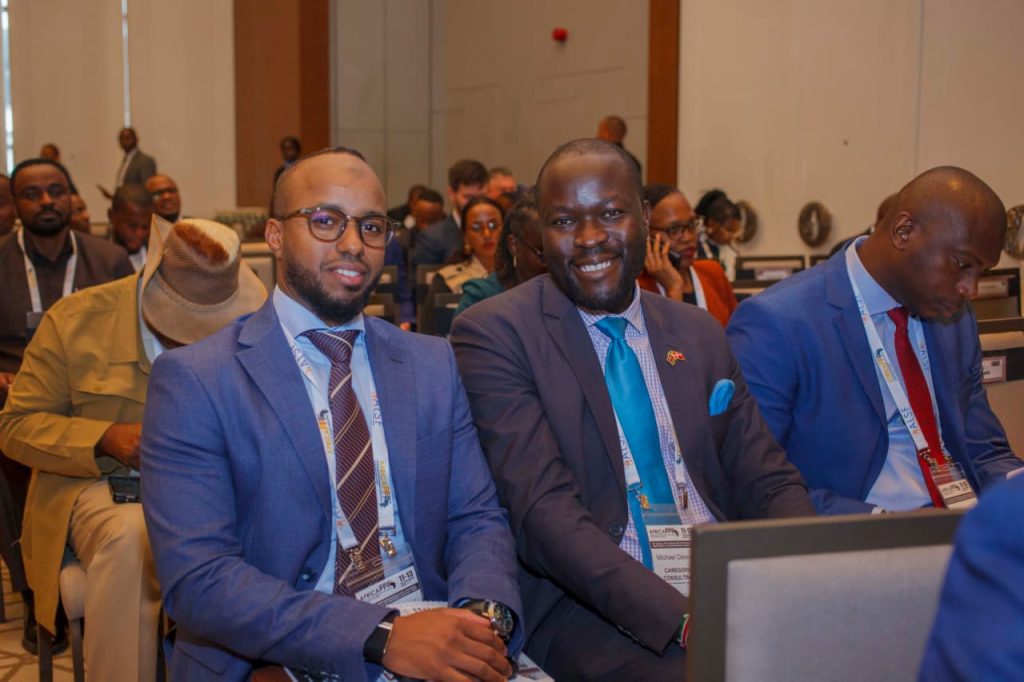
At Caregore Consulting, we operate at the intersection of policy, capital, and project execution. We recognize that bridging the gap between public-sector ambitions and private-sector investment requires deliberate, informed facilitation.
Our work focuses on connecting investors, institutions, governments, and project developers fostering the strategic conversations, institutional alignment, and cross-border partnerships necessary to move high potential infrastructure opportunities from early concept to full implementation.
Through initiatives like Future Cities of Africa, and in collaboration with global partners such as the Nordic Global Investment Foundation, Caregore Consulting supports a wider, long term mission: advancing sustainable, resilient, and inclusive infrastructure development across the continent. By bringing together international investment perspectives with deep regional insight, we help stakeholders navigate complexity, structure viable partnerships, and unlock capital for projects that matter.
Looking Ahead: From Investment to Lasting Impact
Public-private partnerships are often misunderstood as simple financial arrangements designed to pool public budgets and private capital. In reality, successful PPPs are much deeper. They are long-term commitments built on shared responsibility, mutual accountability, and robust institutional foundations.
Africa’s infrastructure ambitions are bold and rightly so. Meeting the needs of growing cities and integrating regional economies will require trillions of shillings in sustained investment over the coming decades. Ultimately, however, the continent’s success will not be measured solely by the volume of capital committed. It will be defined by the strength of the institutions, governance systems, and strategic partnerships that turn financial investment into lasting economic and social impact.
Partner With Us to Move Infrastructure Forward
Whether you are an institutional investor seeking bankable opportunities across African markets, a government agency structuring a PPP pipeline, or a project developer preparing for financial close, Caregore Consulting can help you build the right connections and frameworks for success.
Connect with our team today to explore how we can support your next infrastructure initiative under the Future Cities of Africa vision.


Comments are closed